AGP Executive Report
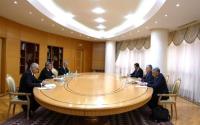
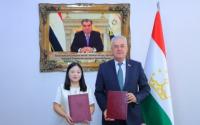
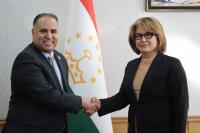
Last update: 6 hours agoTajikistan–Kuwait Cultural Links: Dushanbe’s Culture Minister Matlubakhon Sattorian met Kuwait’s ambassador to expand cultural and artistic exchanges, including handicrafts, media cooperation, and education and academic programs, building on Tajik Cultural Days in Kuwait. Persian-Speaking Unity Idea: Iran’s First Vice President Mohammad Reza Aref revived a proposal for a “Union of Persian-Speaking Countries and Regions,” pointing to shared language and heritage with Tajikistan and urging further official talks. Education Cooperation: Tajikistan and Malaysia signed a cooperation program to broaden education and professional training, including joint programs, dual degrees, STEM and AI-focused labs, and scholarship pathways. Traditional Medicine Talks: India and Tajikistan discussed expanding collaboration in traditional medicine via research, education, trade routes for Ayush products, and possible MoUs plus an Ayush Chair in Tajikistan. Ethnographic Heritage in Altai: A multi-country expedition in Altai studied Turkic-related traditions across settlements, documenting rituals, folk games, crafts, foodways, and beliefs, with attention to cultural parallels across Central Asia and the Pamir region. Chess for Kids in Ashgabat: The Kids Expo Chess Cup 2026 opened in Turkmenistan with young players from Tajikistan and the region competing in rapid and blitz categories.
Note: AI summary from news headlines; neutral sources weighted more to help reduce bias in the result. Feedback is welcome. Please let us know if you have any comments or suggestions about the AGP Executive Report.
 Perspectify News